
Home / Why you shouldn't spray
Don't spray the hive. Don't hire a budget sprayer.
Their prices are low for a reason. Spraying leaves the whole hive behind, and the next swarm finds it.
What spraying actually leaves
Spraying the bees leaves dozens of pounds of melting honeycomb, sticky honey and rotting bee carcasses in your walls, attic and soffits.
If a beehive isn't fully scraped out and the space filled with an inert material, another swarm will almost certainly find the leftover wax next season and build a new hive in the exact same spot.
Live removal helps preserve our vital local bee populations, and it saves your home from damage and wasted money down the line.
The short version
Spraying kills the bees. Removal gets rid of the hive. Only one of those fixes the problem.
A real call we were brought in to fix
Here's what happens when a beehive isn't properly removed, and what it looks like when it is.
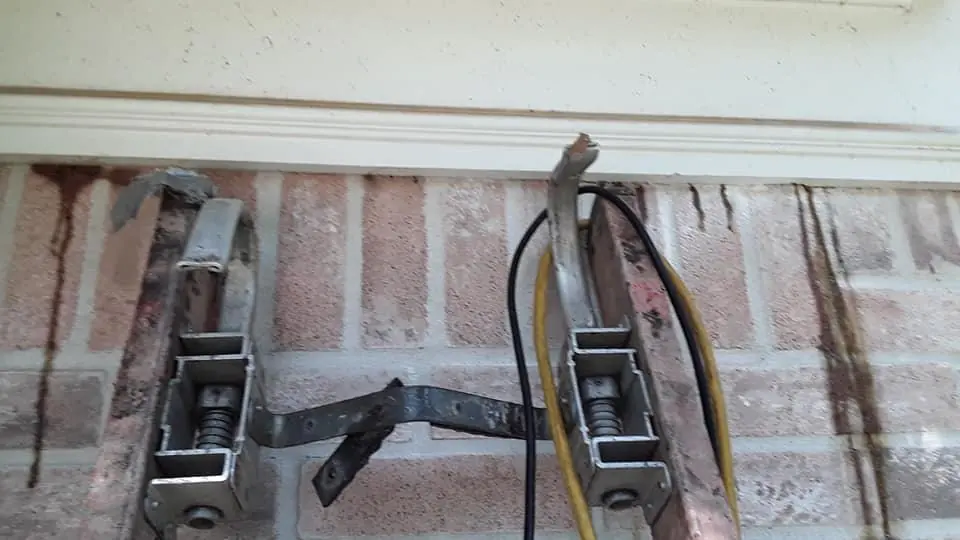
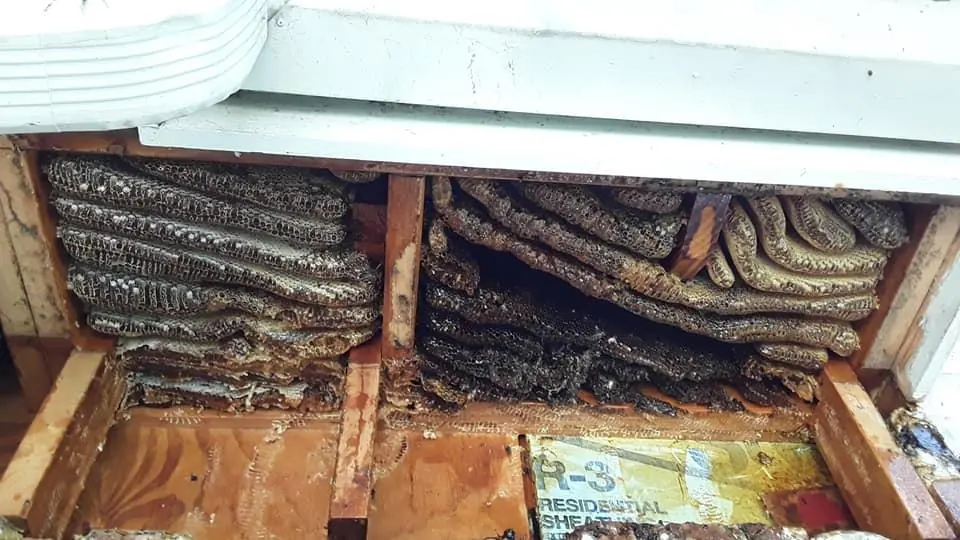
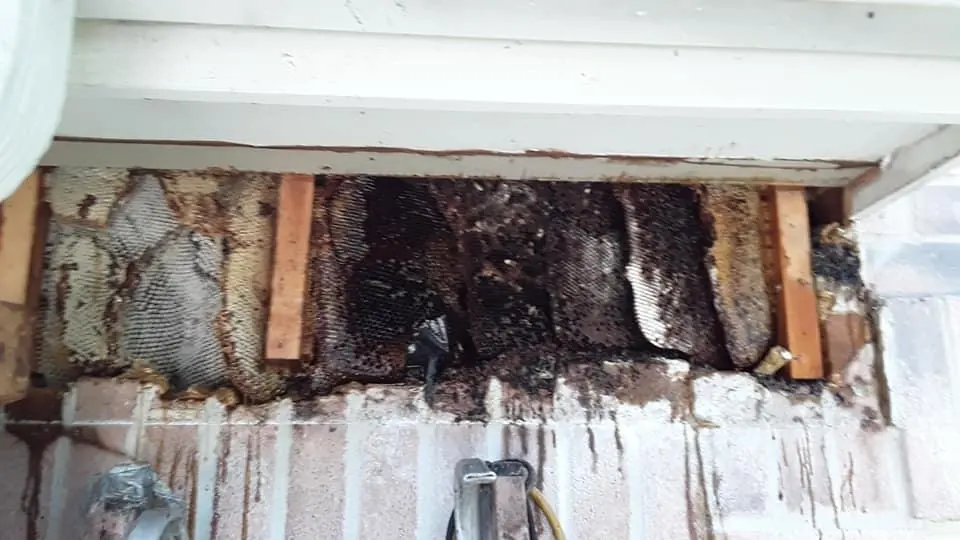
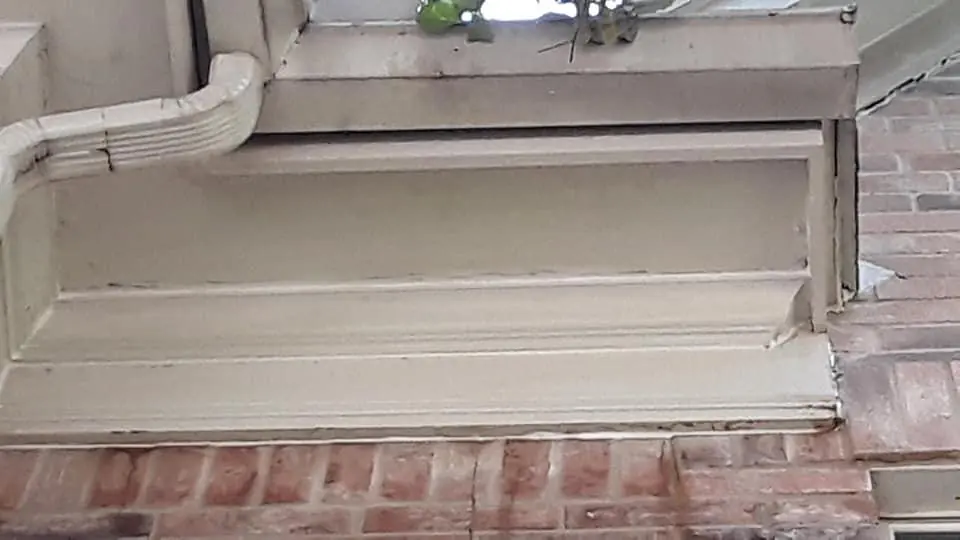
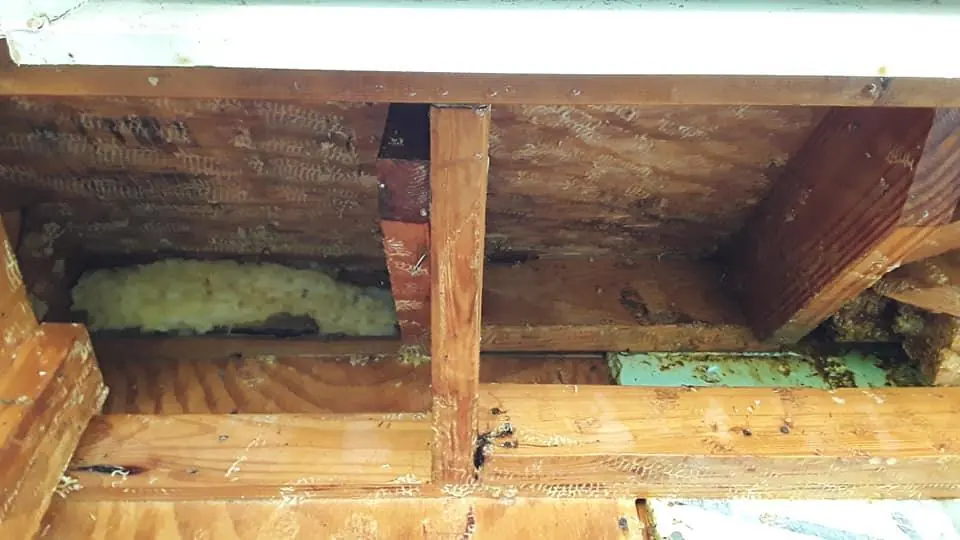
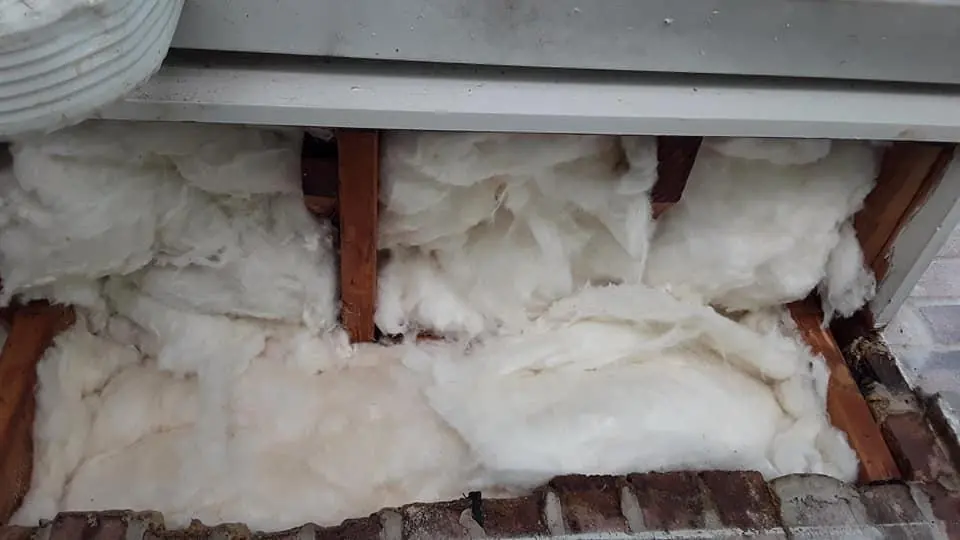
What a budget spray left behind
A customer got a $95 "spray and pray" from a pest control company. They sprayed the bees and left. We were called in to fix it.
- 128 pounds of honeycomb left in the soffit and the wall
- Hundreds of maggots crawling on the first and second floors
- Leftover wax that would have drawn the next swarm to the same spot
Already sprayed? It's not too late.
If you or a pest company already sprayed, the bees may be gone, but the hive is still in your wall. That's when the problems start:
- Honey leaks through drywall, trim and ceilings as the comb warms up
- Maggots and pests move in to feed on the dead bees and comb
- The leftover wax draws the next swarm to the same spot
We open the area, remove every piece of dead comb, fill the cavity and repair it to match.
How we do it instead
Locate
Infrared imaging, fiber optic cameras and listening devices show exactly where the colony is.
Open precisely
A small, precise opening exposes the colony safely, with no guesswork and no extra damage.
Remove alive
The bees come out alive to be relocated and rehomed. No spraying, no poison.
Clean and fill
Every piece of comb is scraped out and the space filled with an inert material.
Repair
We close it up with the same materials, often the same day. It looks like it never happened.
Got a spray quote? Call us first.
Free estimates and a flat-fee price, with a written lifetime warranty.