
Home / Bee removal
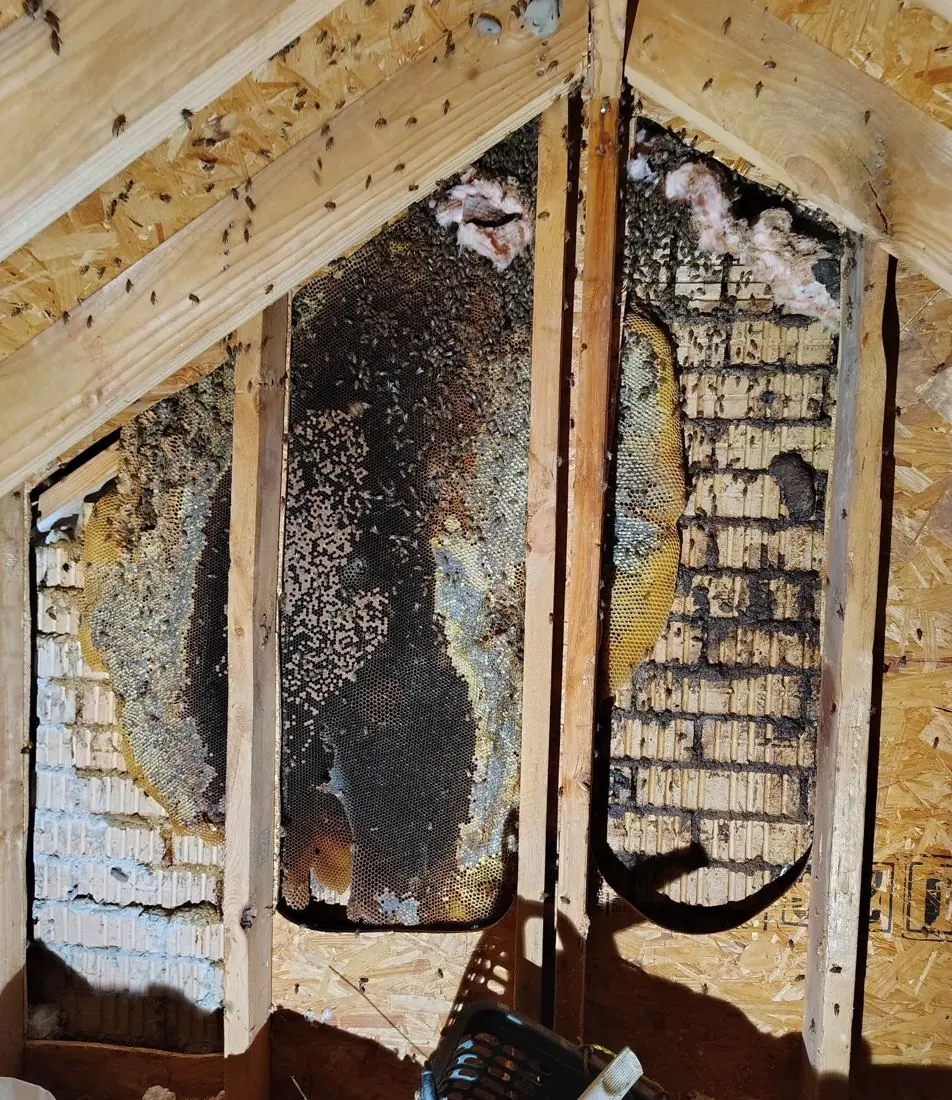
Bees in your wall, soffit or attic?
We find the hive before we cut, remove the bees alive, clean out every bit of comb and repair the opening with matching materials. Free estimates, flat-fee price.
- Lifetime warrantyWritten, included with every removal
- Flat-fee priceA firm price before we start
- Available 24/7Bee emergencies, day or night
- State registeredTexas Apiary Inspection Service
Five steps, done right
Most jobs take one visit. Repairs can often be done the same day.
Locate
Infrared imaging, fiber optic cameras and listening devices show exactly where the colony is.
Open precisely
A small, precise opening exposes the colony safely, with no guesswork and no extra damage.
Remove alive
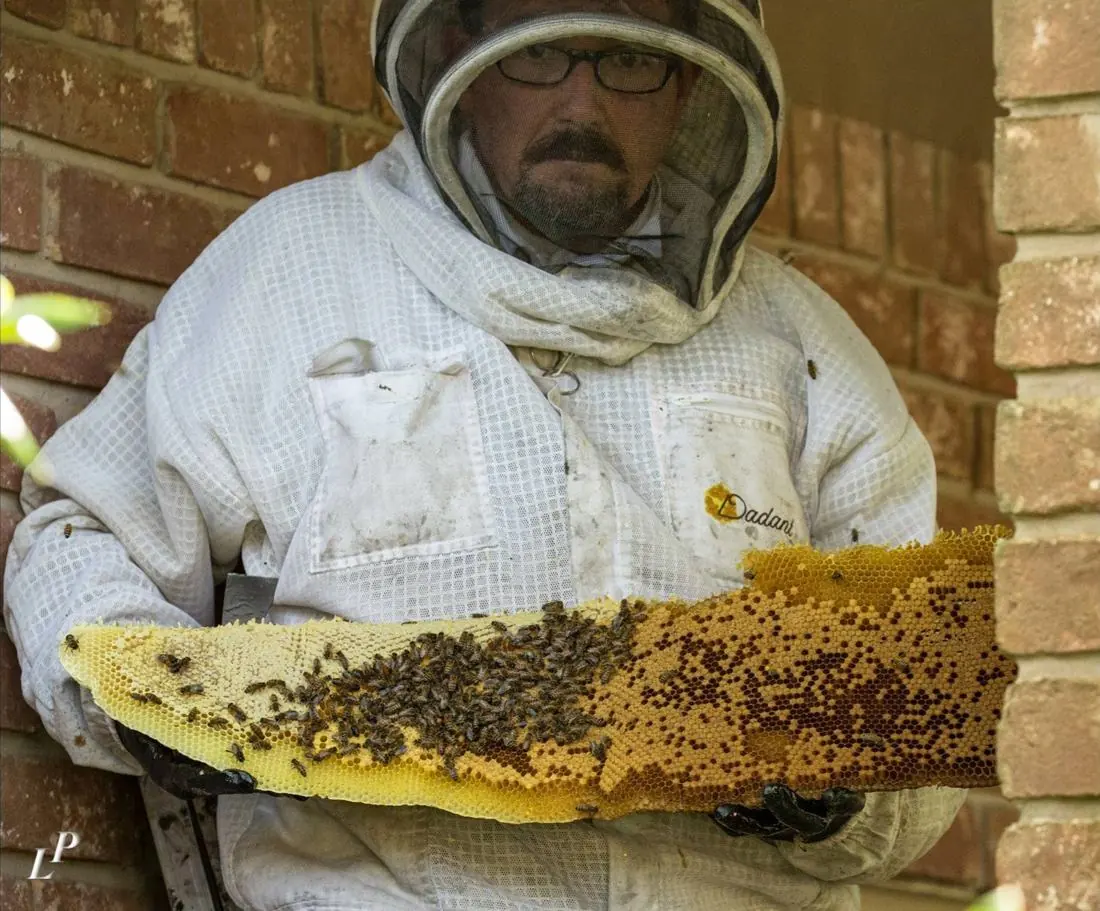
The bees come out alive to be relocated and rehomed. No spraying, no poison.
Clean and fill
Every piece of comb is scraped out and the space filled with an inert material.
Repair
We close it up with the same materials, often the same day. It looks like it never happened.
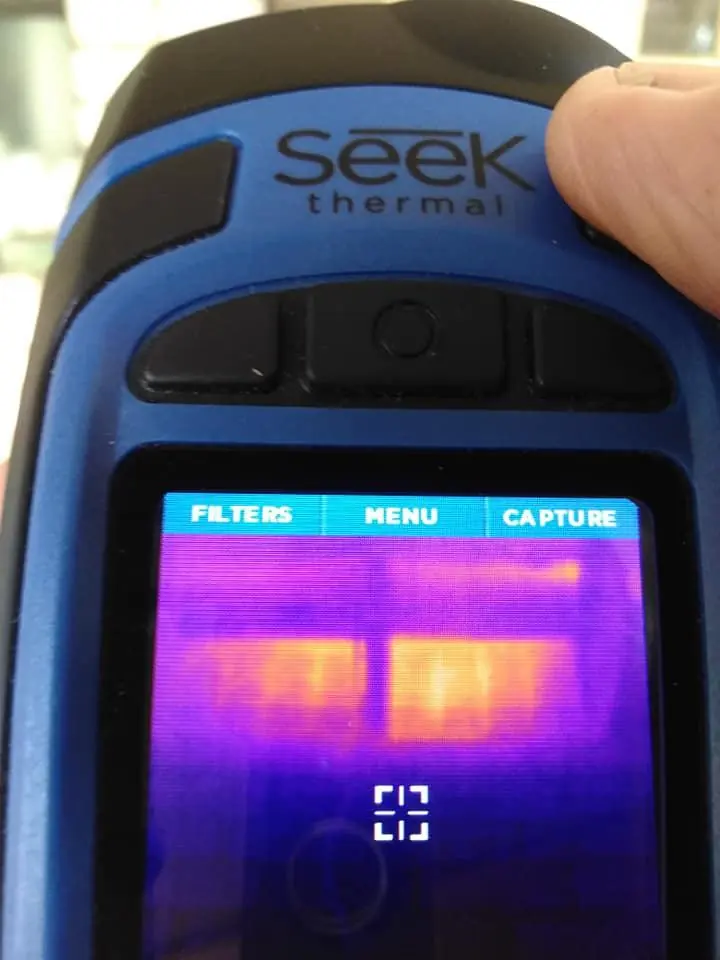
We find it before we cut
Infrared imaging, fiber optic cameras and listening devices pinpoint the colony. That means a small, precise opening in the right place instead of tearing out more wall than needed.
We don't leave you with a hole
Many removers cut in, take the bees and leave the rest to you. With 24 years of home repair experience, we close up every opening with matching brick, siding, trim or drywall. Most customers can't see where the repair was done.
A price you know up front
Estimates are free and every removal has a flat-fee guaranteed price. No surprises once the wall is open.
Signs there's a hive in your home
If any of these sound familiar, the colony is living inside, not just passing through. It won't leave on its own.
- Steady traffic at one spot. Bees flying in and out of a gap in the siding, a soffit vent, a weep hole or around a light fixture, day after day.
- A hum in the wall or ceiling. You can hear buzzing when you put your ear to the drywall.
- Bees inside the house. A few show up near windows, lights or vents, especially on warm days.
- Stains or sticky spots. Dark stains or honey seeping through a ceiling or wall can mean comb behind it.
- They came back. Bees returning to a spot that was sprayed before. The old comb is still there.
We put it back like it never happened
Most bee removers cut into your wall or roof, take the bees and leave. You're left with an open wall, a second contractor to find, and often thousands in repairs. We finish the job.
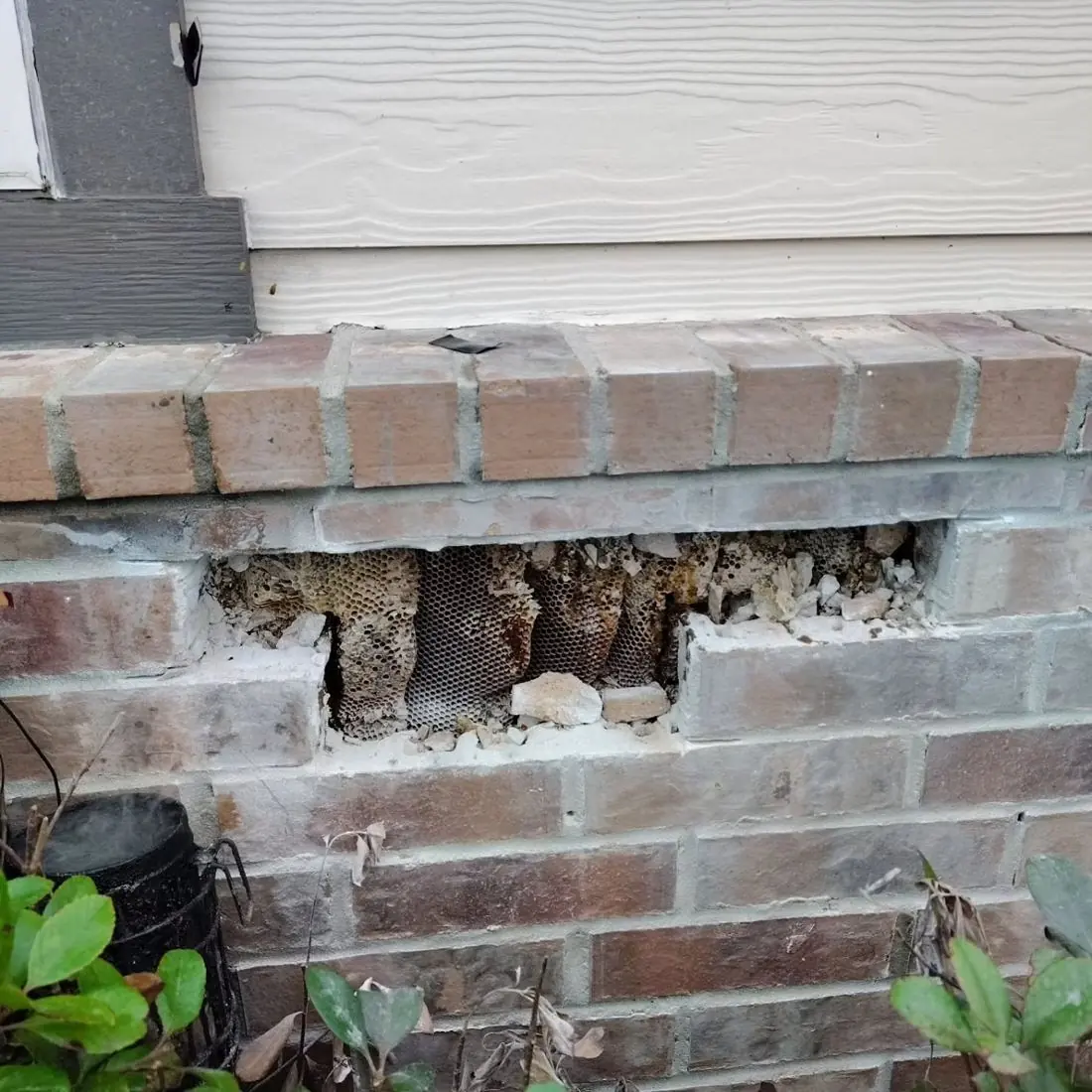
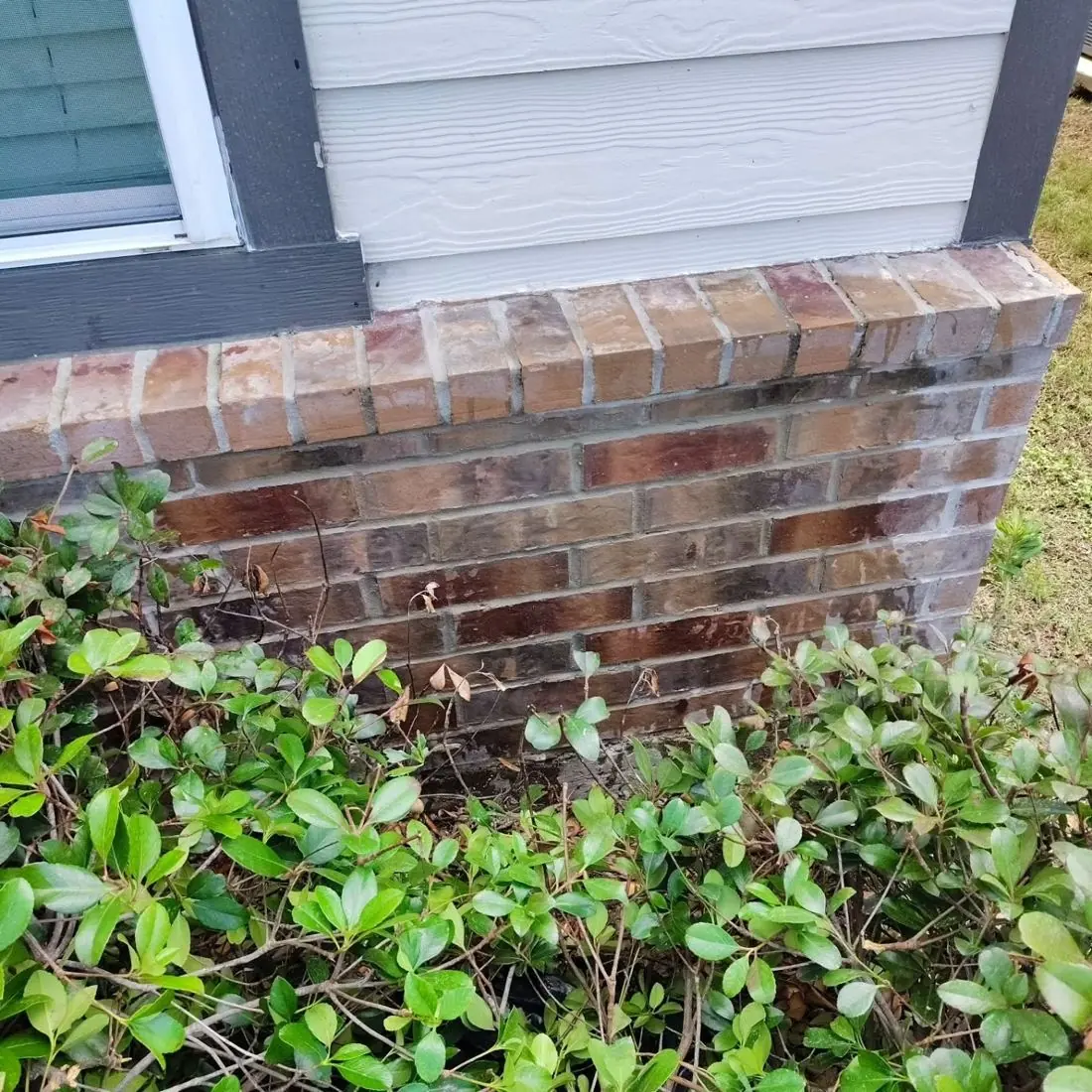
Painted brick, same afternoon
Bricks came out to reach the hive, went back in with fresh mortar, then got painted to match. Going by the photo times, about two hours start to finish.
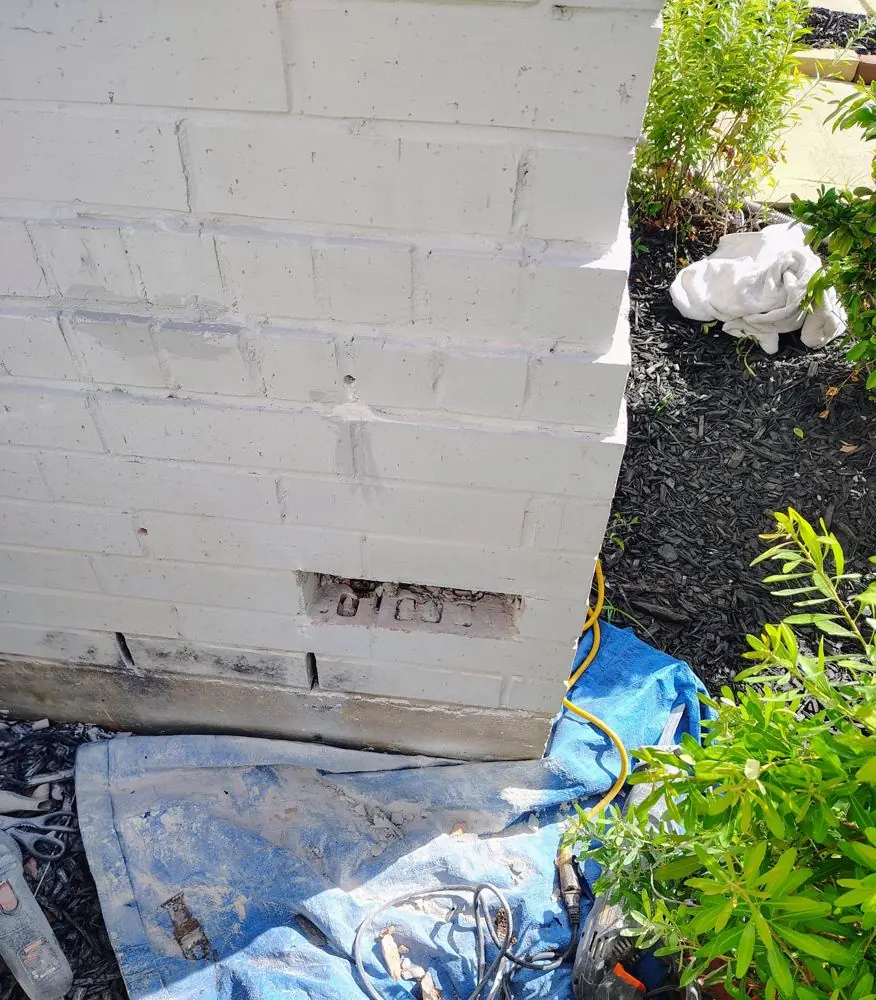
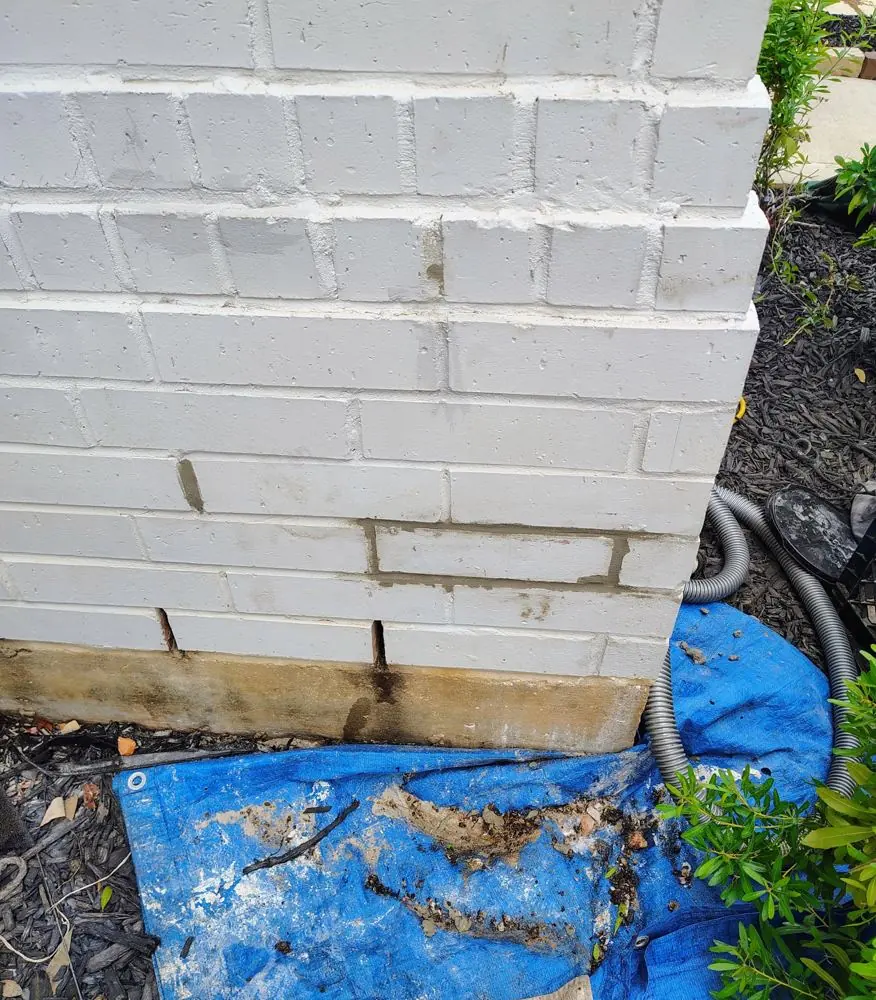
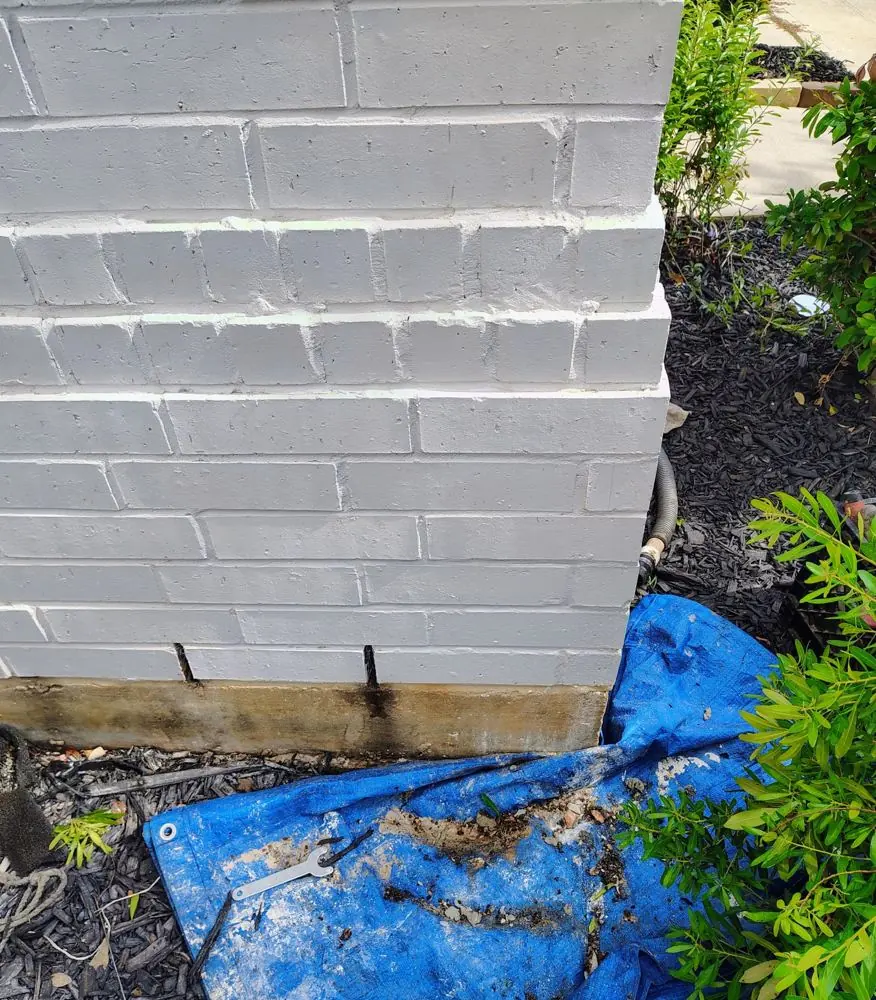
Brick wall
The bricks came out to reach the comb. Then they went back in, matched and pointed, with the flower bed untouched.
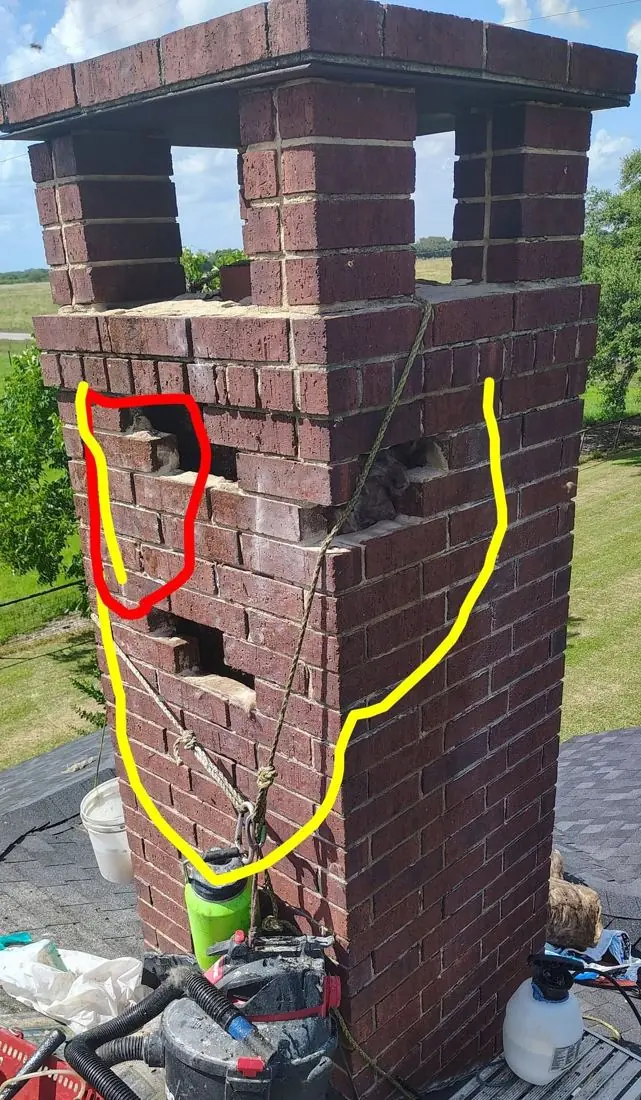
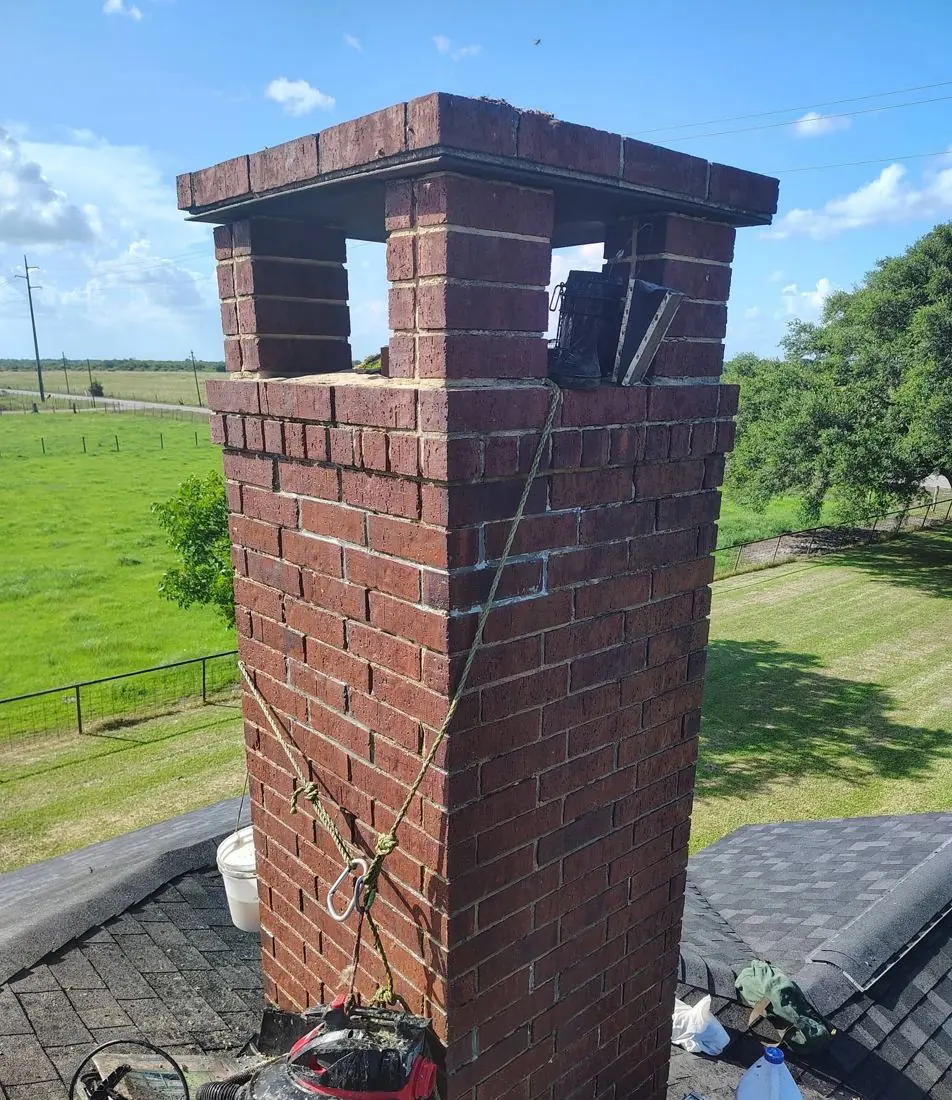
Rooftop chimney
A colony built inside a chimney. We pulled the bricks around the hive (outlined in yellow), took the bees out alive and rebuilt the chimney.
Siding and brick corner
Siding and sheathing came off to expose a hive where the wall meets the chimney. Then it all went back on.
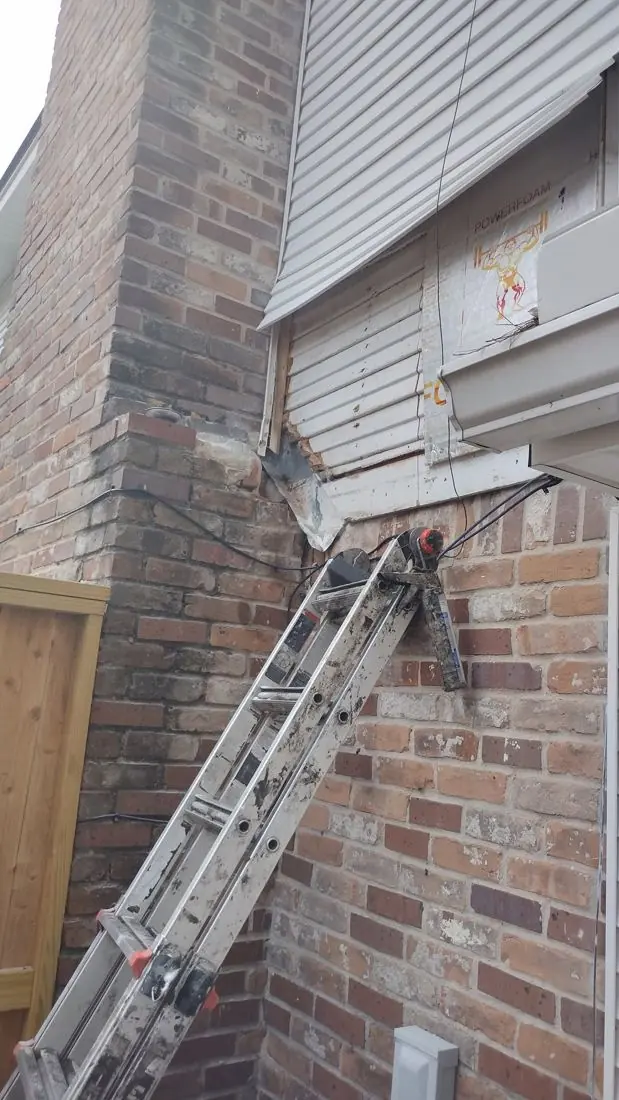
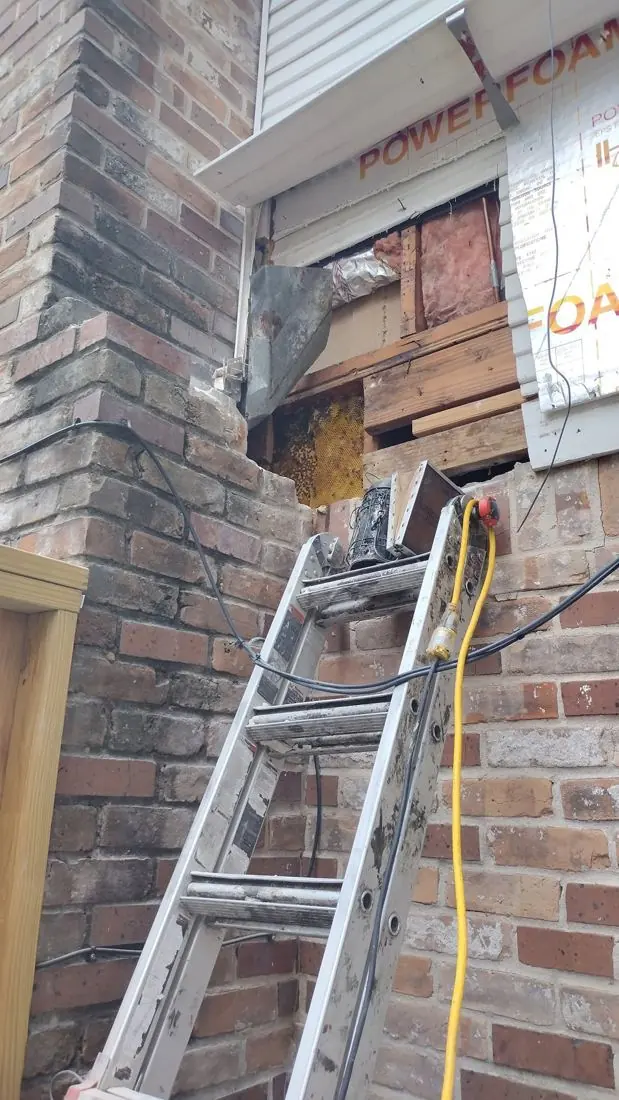
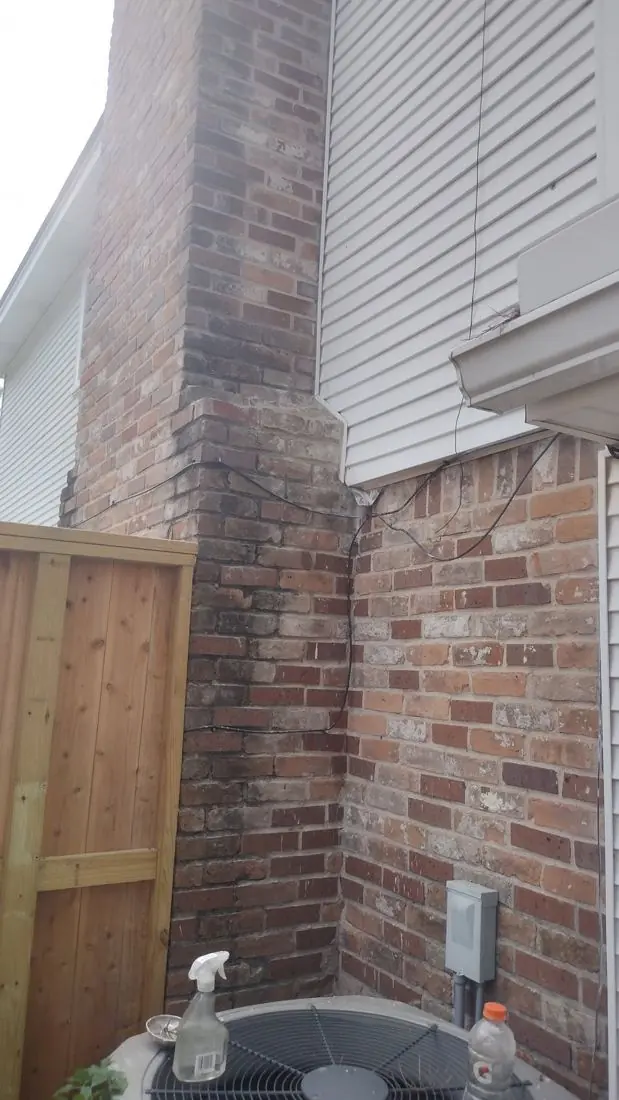
A typical bee remover
Cuts the hole, takes the bees and leaves the repair to you.
Katy Busy Bee
Finds the hive with infrared first, makes a precise opening, removes the bees alive, then rebuilds it with matching brick, siding or trim.
Before you hire anyone, ask these questions
Bee removal isn't regulated like other trades, so what you get varies a lot. Ask any company these, including us.
| Ask them | Katy Busy Bee | Typical bee remover | Pest control spray |
|---|---|---|---|
| Finds the hive before cutting | Yes | Sometimes | No |
| Removes the bees alive | Yes | Usually | No |
| Removes all the comb and honey | Yes | Sometimes | No |
| Fills the cavity so bees don't return | Yes | Rarely | No |
| Repairs the opening to match | Yes | Rarely | No |
| Flat-fee price before work starts | Yes | Varies | Varies |
| Written lifetime warranty | Yes | Rarely | No |
| Registered with the Texas Apiary Inspection Service | Yes | Varies | No |
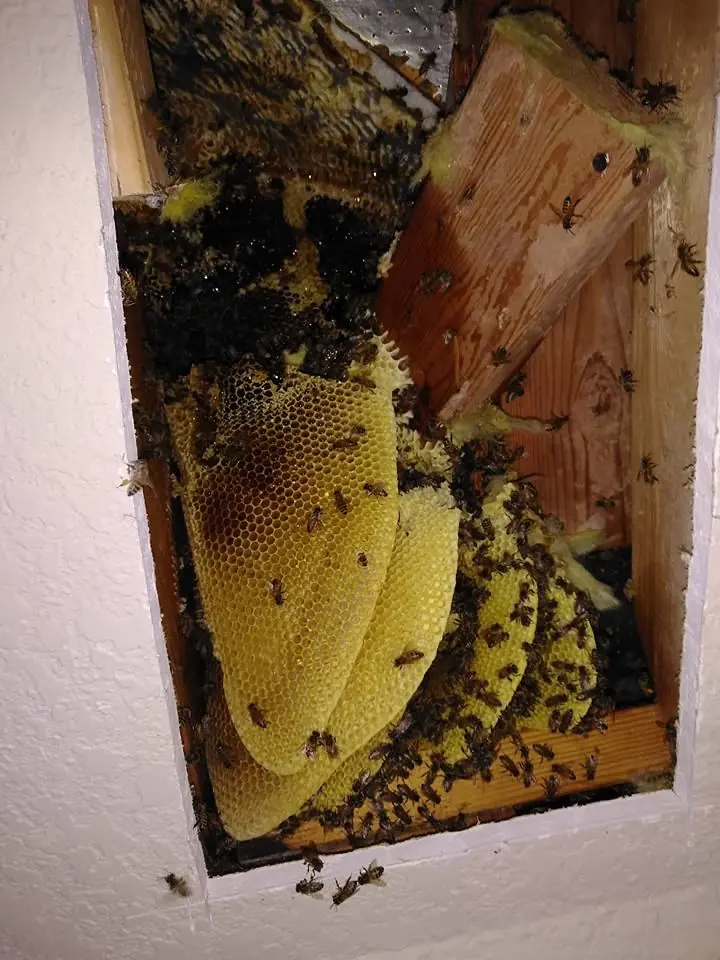
Recent removals
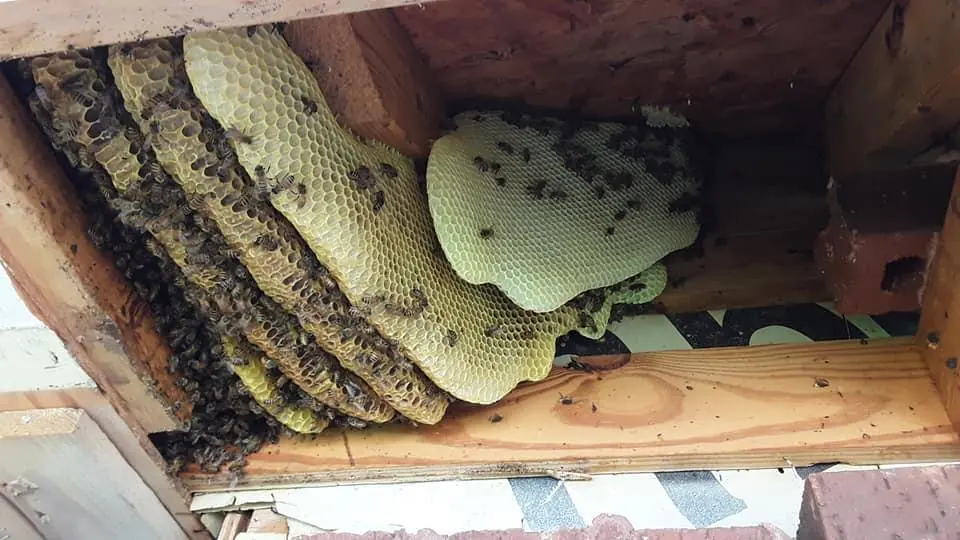
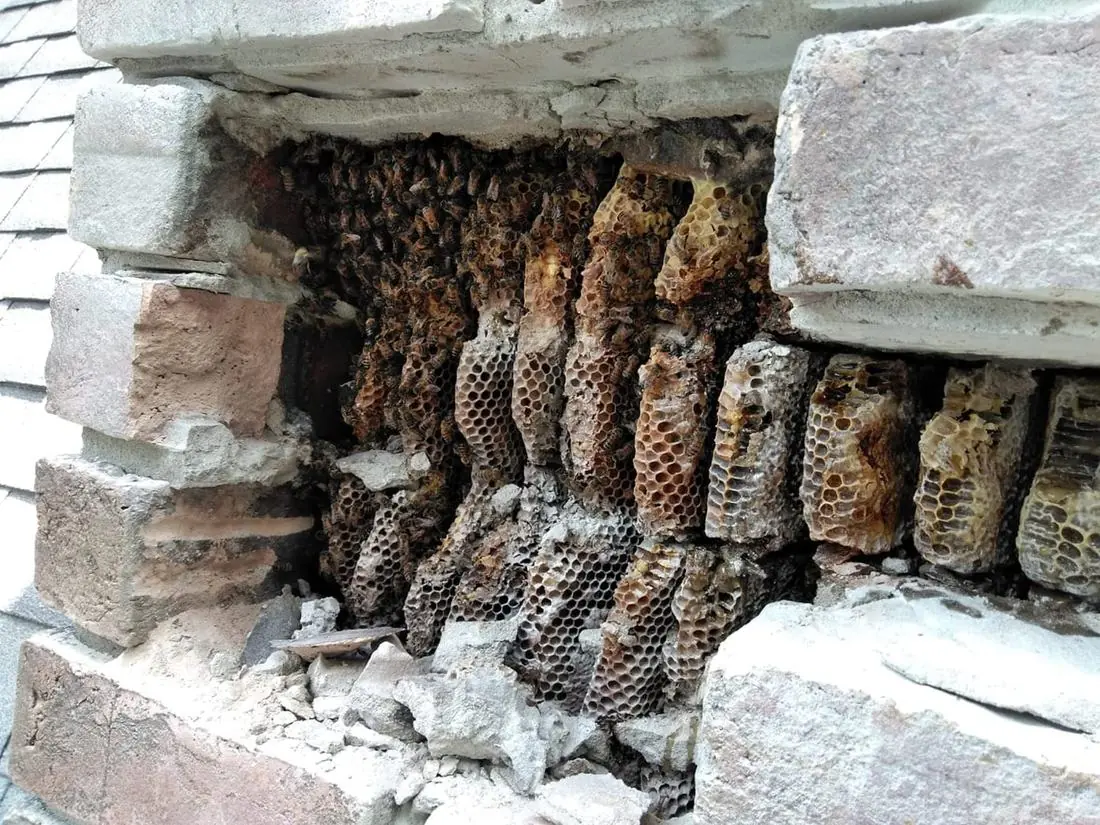
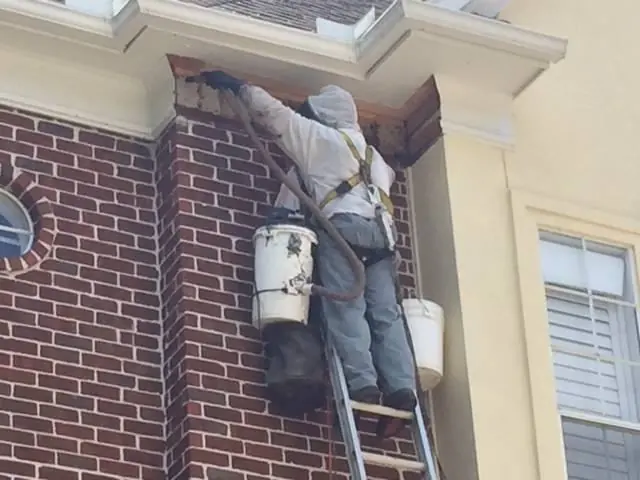
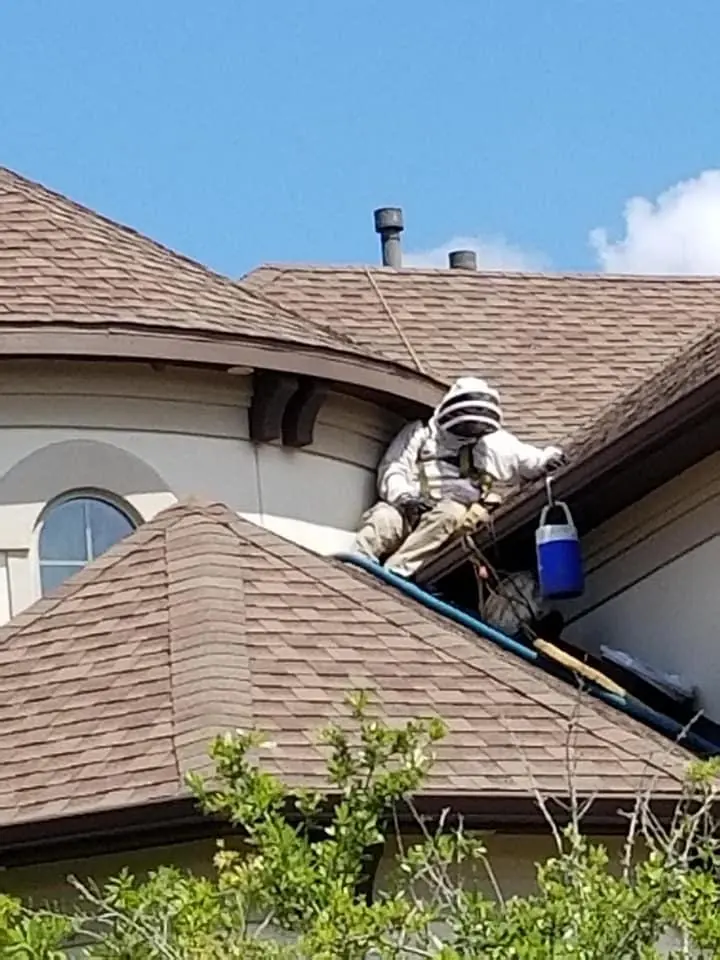
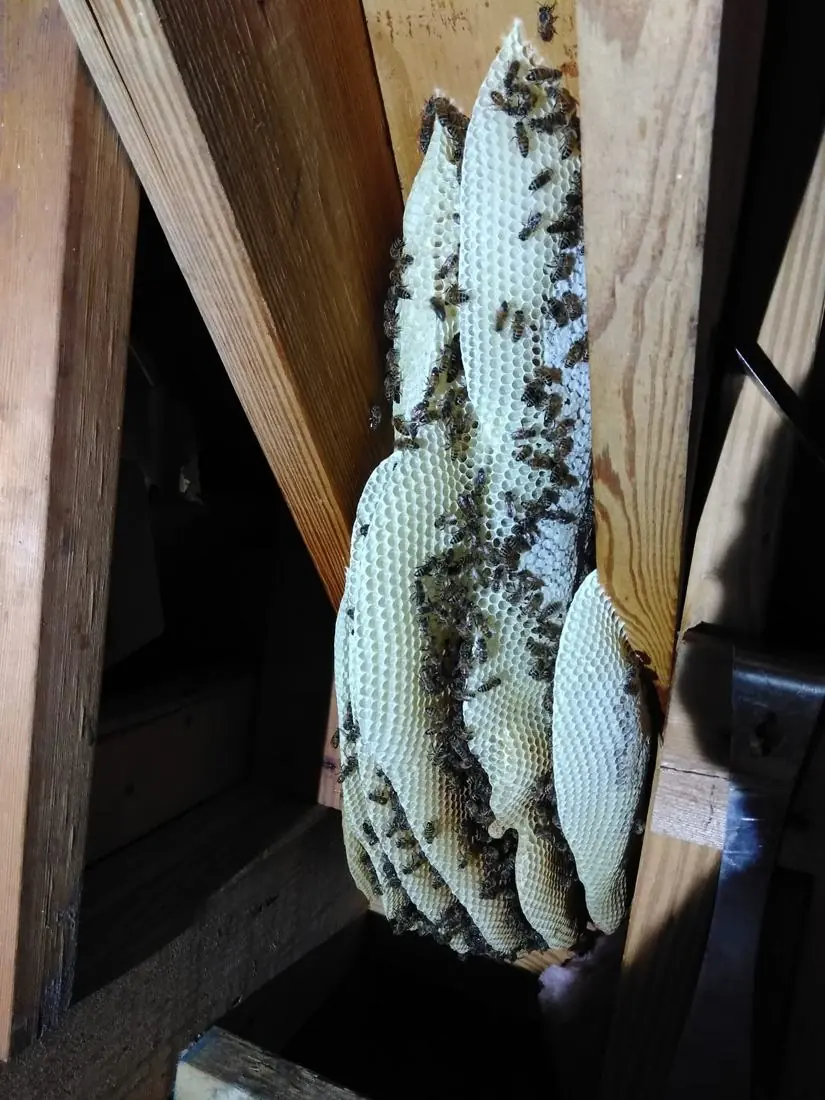
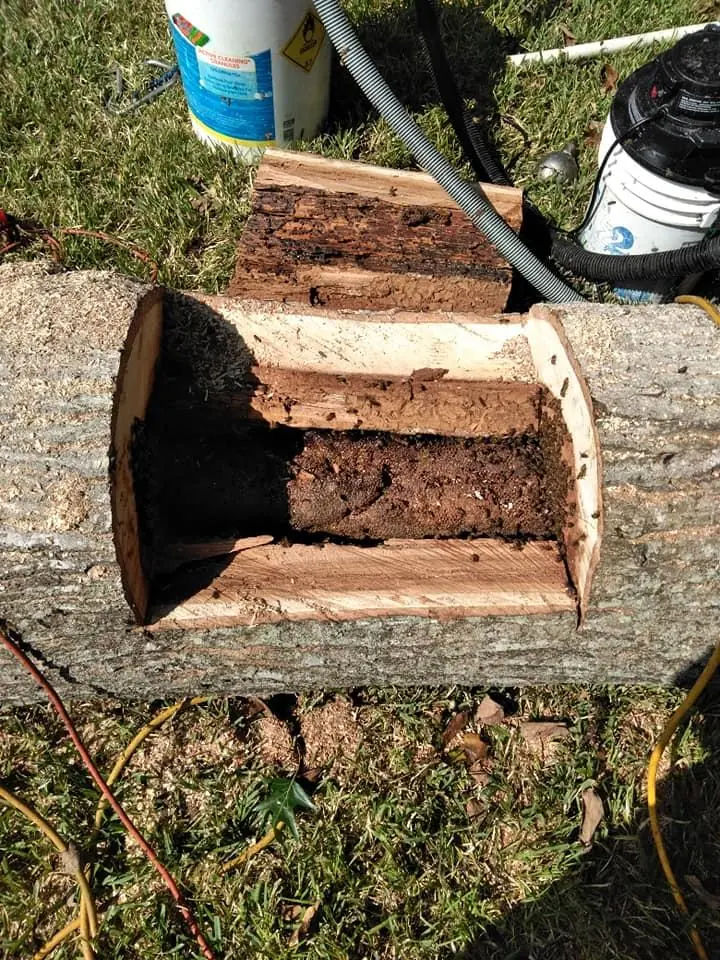
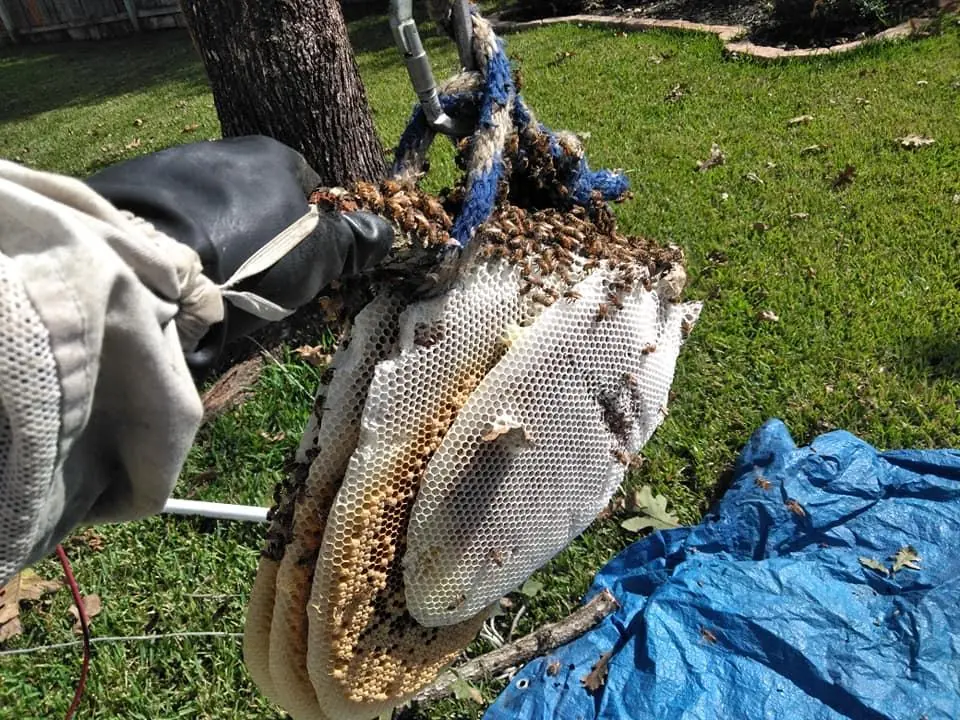
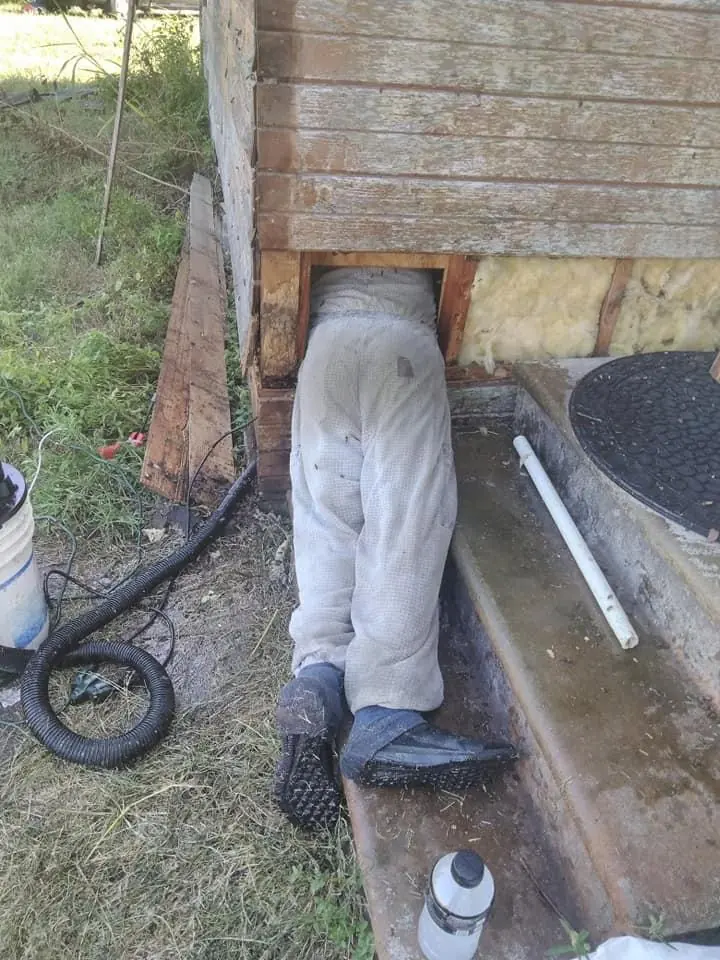
Questions about removal
Still unsure? Call (832) 541-9623 or text a photo.
How much does bee removal cost?
Every removal has a flat-fee guaranteed price, and estimates are free. Call (832) 541-9623 or text a photo, and you'll get a firm price before any work starts.
Do you offer a warranty?
Yes. Every removal includes a written lifetime warranty. We stand by our work.
Will you repair the wall, soffit or ceiling?
Yes. We repair hive cutouts with the same materials, and repairs can often be done the same day. Most customers can't see where the repair was done.
Will the bees come back?
Leftover wax is what draws the next swarm to the same spot. We scrape out every piece of comb and fill the space with an inert material, so there's nothing to come back to.
Someone already sprayed the hive. Now what?
Spraying kills the bees but leaves the comb and honey in the wall. As it rots it can leak honey, draw maggots and pests, and attract the next swarm. We open the area, remove every piece of comb, fill the cavity and repair it.
Do you kill the bees?
No. We remove honey bee colonies alive, then relocate and rehome them. That helps preserve our vital local bee populations.
Bees where they shouldn't be?
Call for a free estimate. You'll get a firm, flat-fee price before any work starts.